Ultimate Outdoor Design
Outdoor environments engineered for craft, longevity, and quiet luxury.
ABOUT — THE FOUNDER
The Designer. The Builder. The Legacy Architect.
Born in El Salvador. Made in the USA. Building systems for future generations.
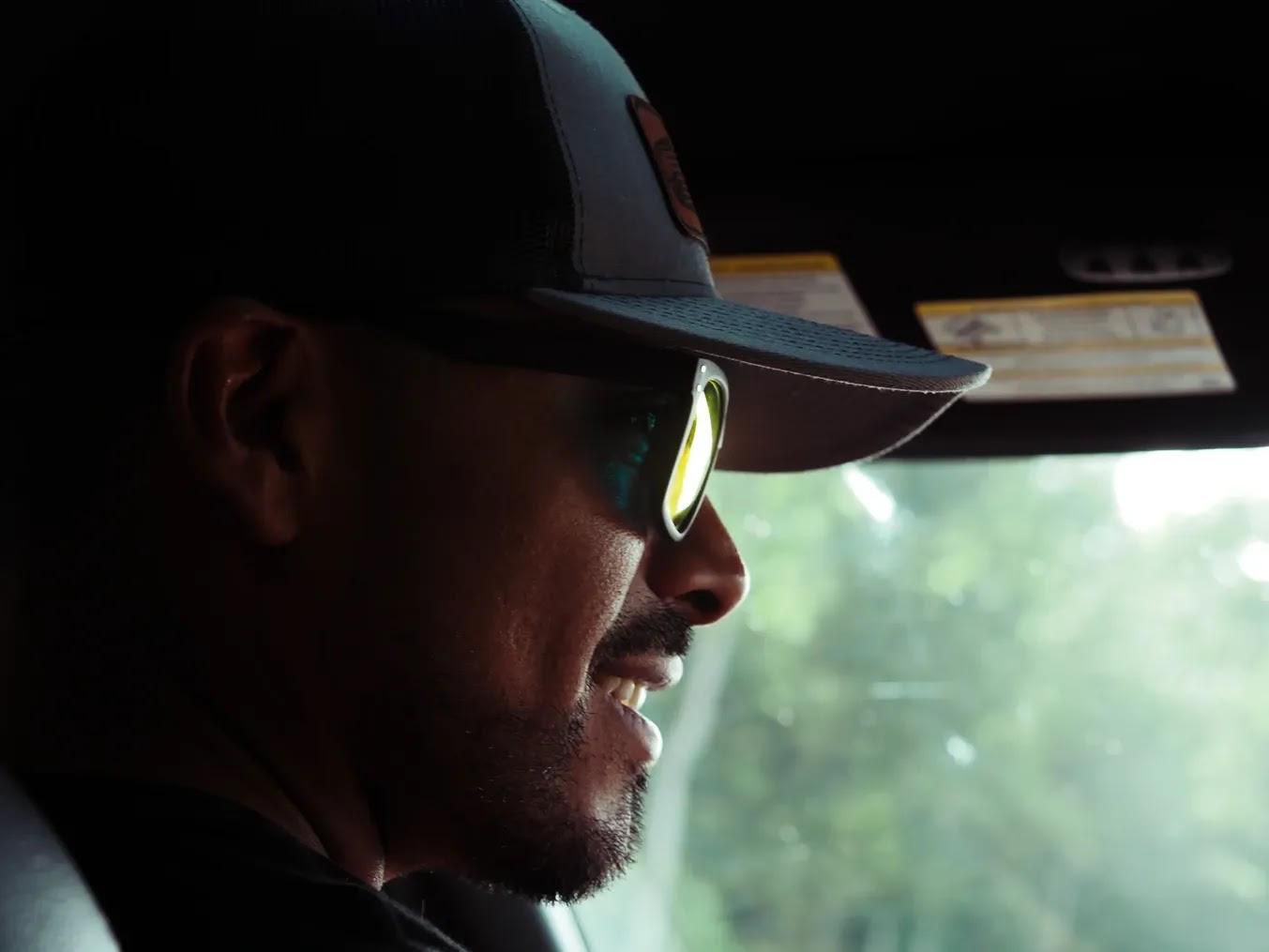
David García was born in San Salvador, El Salvador, and rooted in La Palma, Chalatenango, one of the most artistic small towns in the country. La Palma is known for its color, symbolism, craftsmanship, and spiritual warmth. Over time, that visual language grew beyond the town itself and became one of the artistic signatures that now represents El Salvador around the world.
Art was not distant from David. It was around him from the beginning. His father worked alongside Fernando Llort, one of the most important artistic voices in Salvadoran culture. That meant color, composition, symbolism, handcraft, and meaning were not abstract ideas. They were part of the atmosphere. Art runs in his veins, not only as expression, but as identity.
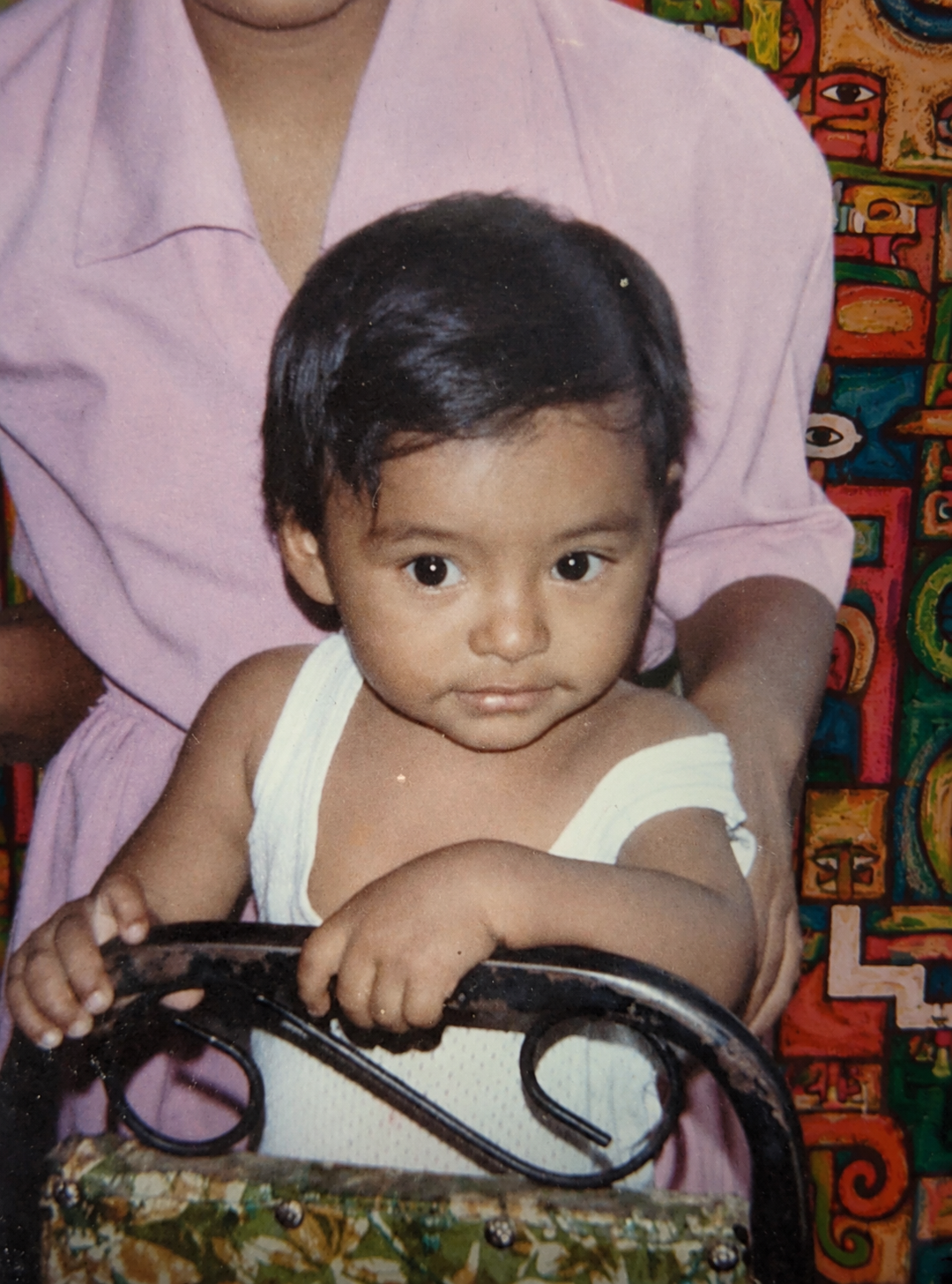
Those early roots planted more than memory. They planted vision. Faith, family, beauty, humility, and the discipline of making things with care became part of his inner foundation. Before David ever learned to design spaces, build systems, or shape future platforms, he inherited a way of seeing: that every detail carries meaning, and every act of creation should be done with care.
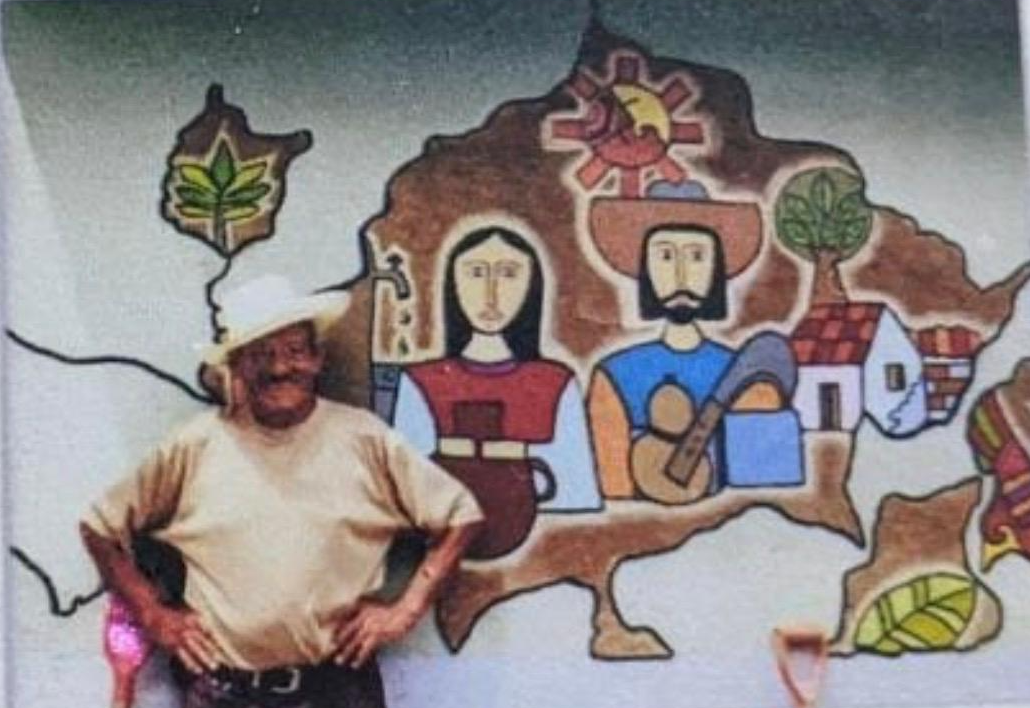
PAPA CHICO · FAMILY PRINCIPLE
“Whatever you do, do it one hundred percent.”
Papa Chico planted a principle in David that would follow him for life: whatever you do, do it one hundred percent. It did not matter if the task was small, unseen, or difficult. Excellence was not reserved for important stages. Excellence was the standard in every stage.
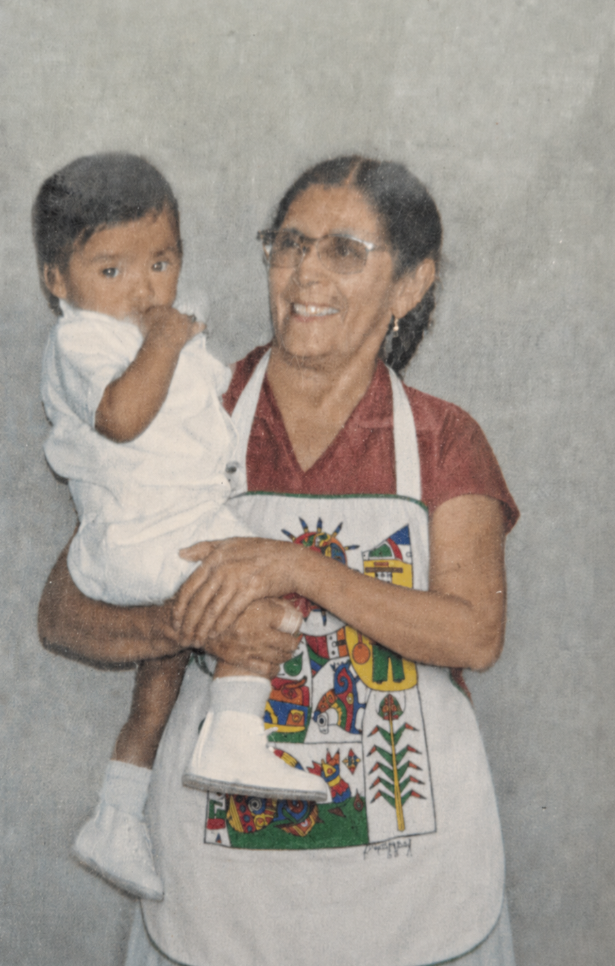
MAMA FINA · FAMILY PRINCIPLE
“If you add love to what you do, you will find the fulfillment you are looking for.”
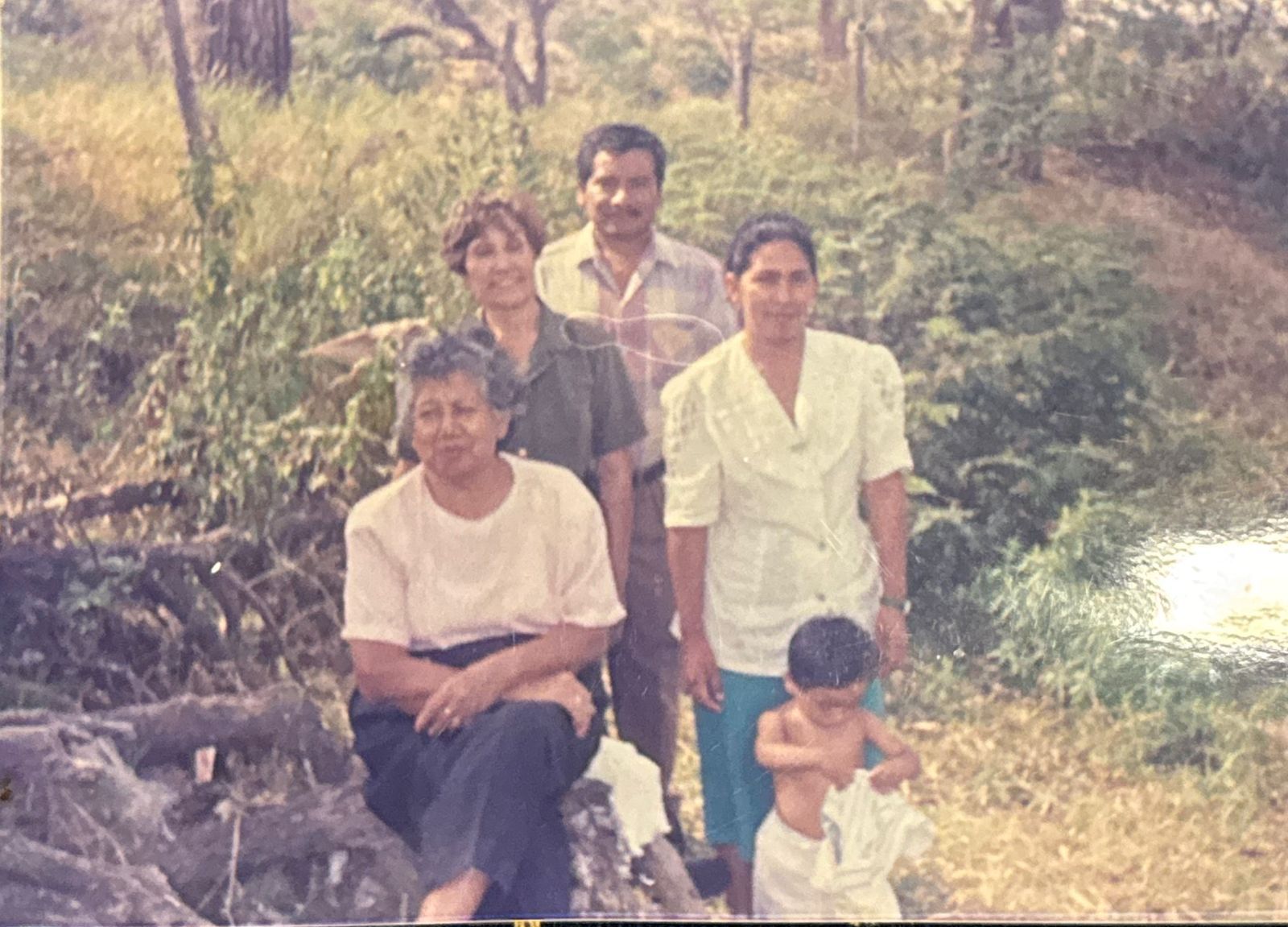
FOUR ROOTS · FAMILY FORMATION
“Dedication and perseverance with discipline will get you far in life.”
In David’s early years, four strong and loving figures helped shape the structure of his life: Tía Carmen, Tía Catiya, his mother, and his father. Two were respected doctors, methodical women of discipline and care. Two were his first teachers, rooted in nature, family, faith, and the quiet work of forming a child with love.
Together, they became part of the roots David now honors: people who marked his life, gave him structure, taught him through example, and helped plant the gratitude he now carries into his work, his systems, and the generations he wants to teach.
That principle became part of David’s foundation. It followed him from El Salvador into the United States, from hospitality into construction, from detailed craft into 3D visualization, and from design into AI systems. Every stage became a classroom. Every teacher became a gift. Every skill became something to multiply.
The more David learns, the more he wants to teach. What began as artistic roots has become a life devoted to building, learning, organizing, and creating tools for future generations.
RAÍCES · ROOTS
“I carry El Salvador not as a memory behind me, but as a design language within me: color, faith, family, craft, humility, and the courage to build again.”
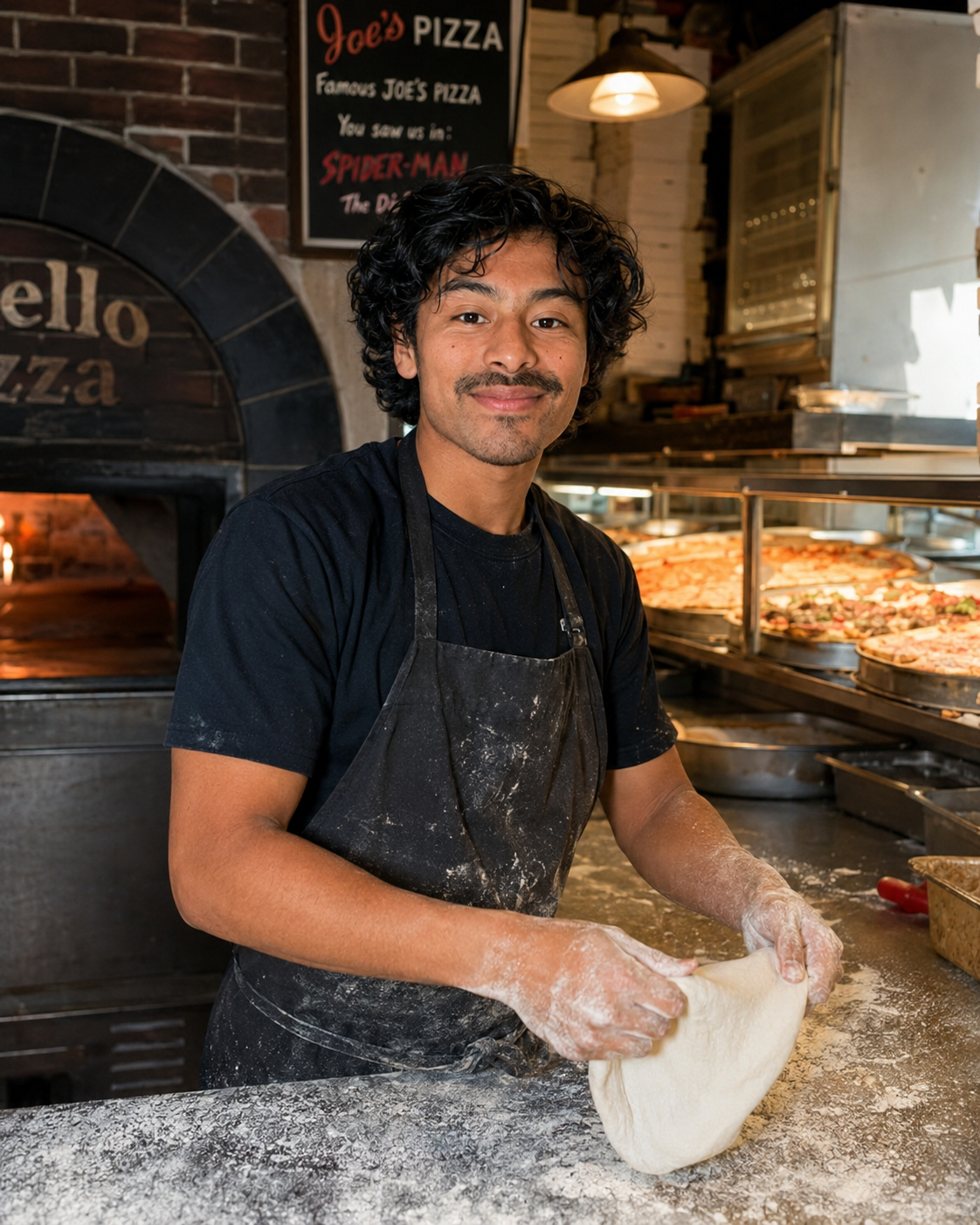
The American chapter began quietly on Long Island. David was still going to school, so when he asked for his first job, he only had the afternoons available. The opportunity was humble and honest: washing dishes at a pizzeria. Long hours, hot water, hard surfaces, and the rhythm of service became his first classroom in the United States.
Before that season, Papa Chico had planted a principle in him that would follow him for life: whatever you do, do it one hundred percent. It did not matter if the task was small, unseen, or difficult. Excellence was not reserved for important stages. Excellence was the standard in every stage.
So David washed dishes with discipline. He showed up. He paid attention. He learned the pace of the kitchen, the movement of the team, the pressure of serving people well, and the quiet dignity of doing simple work with full effort. A few weeks later, that same discipline opened another door. They trusted him to begin making pizzas.
What started at the sink became an early lesson in craft. Dough, timing, heat, ingredients, repetition, and care all became part of his education. He learned that every environment has a system, every skill has a rhythm, and every opportunity rewards the person who is willing to learn.
Learning has always been David’s superpower. Whether washing dishes, making pizzas, studying construction, designing outdoor spaces, building AI systems, or developing legacy platforms, the pattern has remained the same: enter with humility, observe deeply, learn quickly, and execute with excellence.
This was the beginning of the “Made in the USA” chapter: a slow, steady proof of work that would later anchor every business, every brand, and every system he would build.
In 2004, an internship opened the door to construction and design as a serious craft. The site became the classroom. In Manhattan and Brooklyn, David began learning the language of building by doing the work: reading drawings, handling tools, respecting tolerances, listening to materials, and understanding that good construction is not about speed alone. It is about sequence, judgment, discipline, and quiet precision.
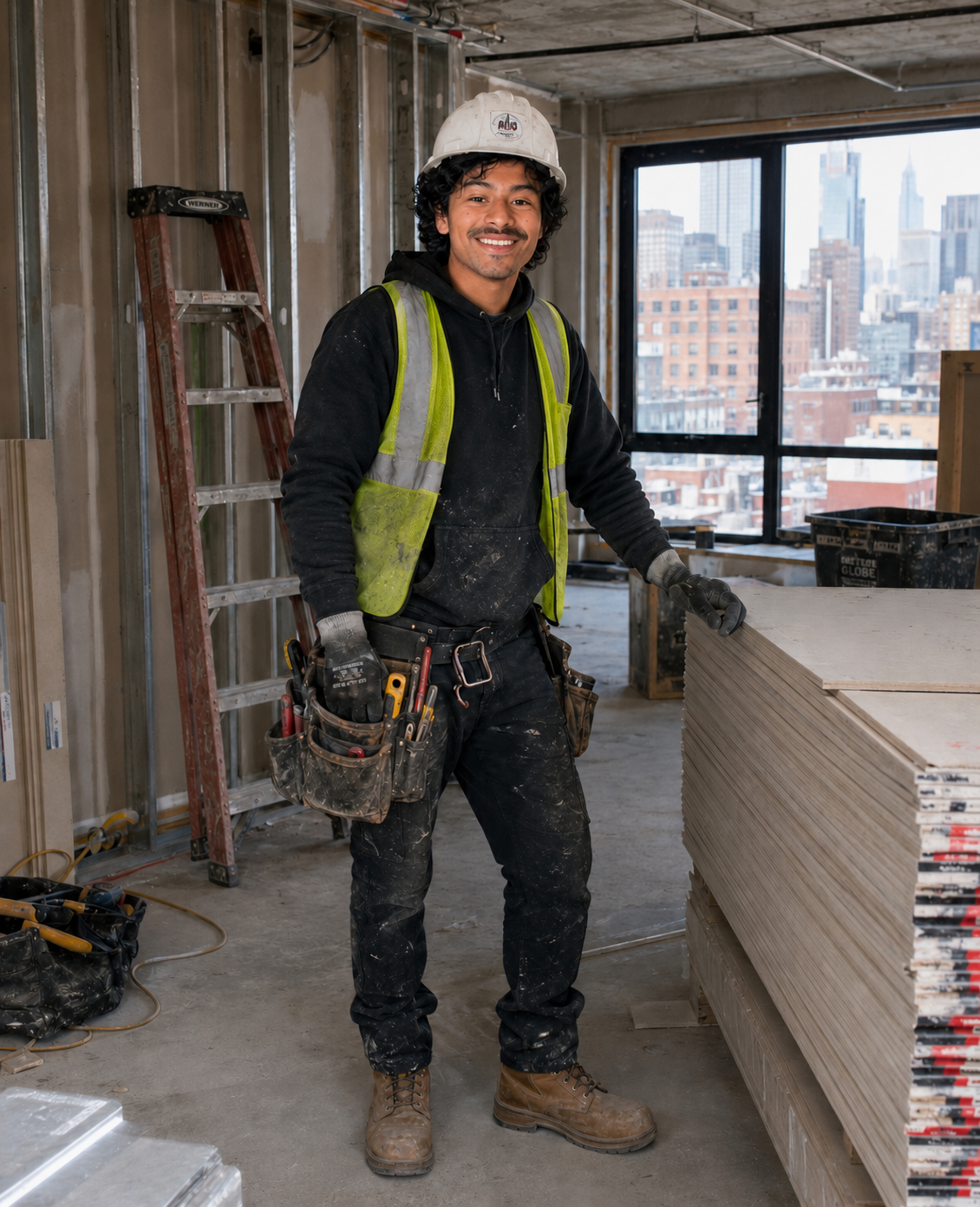
Those years taught him that every jobsite is a living system. People, materials, schedules, measurements, decisions, and details all have to move in the right order. Before David ever built software systems, AI workflows, or operating frameworks, he learned systems through construction: one wall, one cut, one measurement, one correction, and one lesson at a time.
This is where the future architect of systems began to take shape. Not yet in technology, but in the disciplined language of how real things are built, by people who care enough to do the work properly.
In 2007, the move to Charlotte expanded the work into outdoor living and the deeper craft of reading land. David began to study terrain as a designer: how slope organizes a property, how water flows through a site, how sunlight changes a space across the seasons, and how a home should respond to the ground it stands on.
Tools like SketchUp and Lumion entered the workflow, and the discipline of 3D visualization became a second language. Plans became experiences. Clients could now walk a project before it was built — an early form of the topographic intelligence and virtual-world thinking that defines the work today.
Today the work lives at the intersection of art, architecture, construction systems, and emerging technology. 3D walkthroughs replace flat renderings. Client portals replace scattered email threads. Educational platforms replace one-time conversations. Business frameworks replace ad-hoc decisions.
The themes are consistent across every platform: AI systems for quiet decision support, virtual worlds and digital twins for clarity before construction, organization systems for client-facing structure, construction intelligence for site-level judgement, financial education for long-term capital health, and topographic workflows that keep terrain, water, and light at the center of design.
The wider body of work includes a set of brands, systems, and frameworks connected to David’s practice. Each one is treated as a long-horizon platform, not a campaign.
Outdoor environments engineered for craft, longevity, and quiet luxury.
A design practice grounded in geometry, terrain, and disciplined detailing.
A 360° visualization and client-experience layer for projects in motion.
A wellness framework focused on the human side of long, deliberate work.
An integrated framework for human performance, focus, and recovery.
A measured approach to capital, real estate, and long-term financial architecture.
The family-facing platform documenting principles, archives, and generational direction.
Operating intelligence for the next generation of construction and capital decisions.
The Dynasty Framework is a working system, not a slogan. It is how loose ideas become structured operations, how operations become scalable businesses, and how businesses become legacies that outlive their founder.
It treats each platform as a chapter in a longer book: documented, ordered, and engineered so that the next generation can carry it forward without having to rebuild from memory.
Underneath every business is a father’s intention. The aim is to leave his children more than money — to leave them wisdom, working systems, recorded stories, visuals, books, spaces, and clarity. The kind of inheritance that helps a next generation begin further down the road, with a clearer map in hand.
Faith and family are not decoration here. They are the foundation that gives every platform its tone, its discipline, and its long horizon.
Design, in this practice, is stewardship. A home should restore the people who live in it. An outdoor space should gather families and let them slow down. A business should solve a real problem for a real person, in a way that is honest, durable, and quiet.
Anything less is decoration. The standard is craft that lasts long enough to matter to the next generation.
He is here to design what lasts. To teach what matters. To build what blesses. And to leave behind a legacy worthy of the generations still to come.
DavidGarciaUSA.com exists to turn that journey into a living portal: a place where story, systems, platforms, tools, and teachings can be organized for the people building now and for the generations still to come.